Innovative Schools
Excellent, innovative schools can transform the lives of students, their families, and communities. We support the creation of new charter and district public schools that provide students with a solid academic foundation and the mindsets, habits, and skills needed to succeed in life. These schools emphasize student agency, prioritize relationships and community collaboration, and engage students with the broader world as they explore their passions and develop their future plans.
2025 Investments
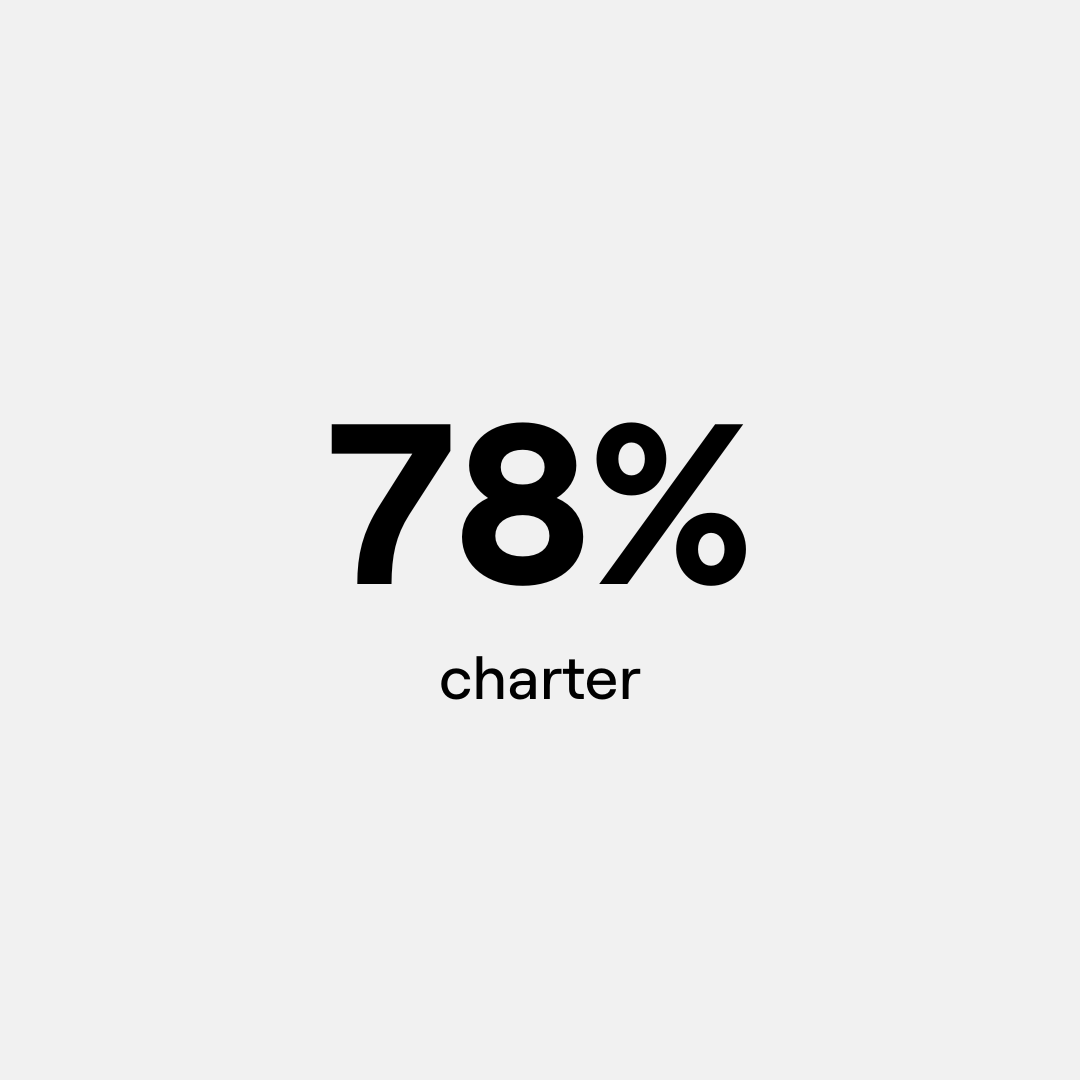
In 2025, our investments reflect several clear signals about the future of learning. We saw increased new school creation in the Southeast, highlighting both demand for new models and growing opportunity in the region. Across our portfolio, career-connected learning is becoming the norm, not the exception, with 63% of schools designing experiences that link academic learning to real-world pathways. And after years of exploration, personalized learning is gaining renewed traction, this time powered by more effective tools that make it easier for educators to deliver on its promise at scale.
16,000
students served annually at full enrollment
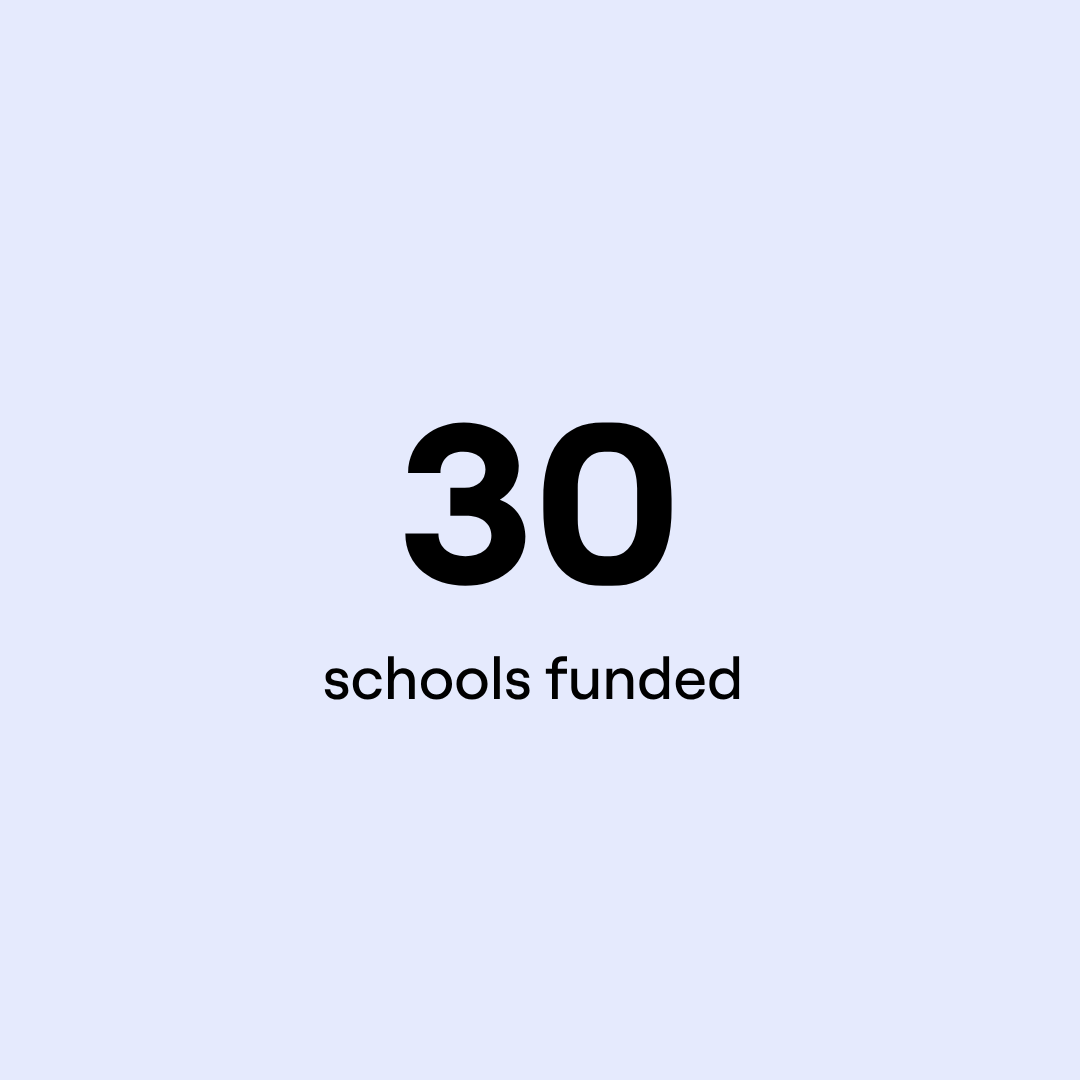
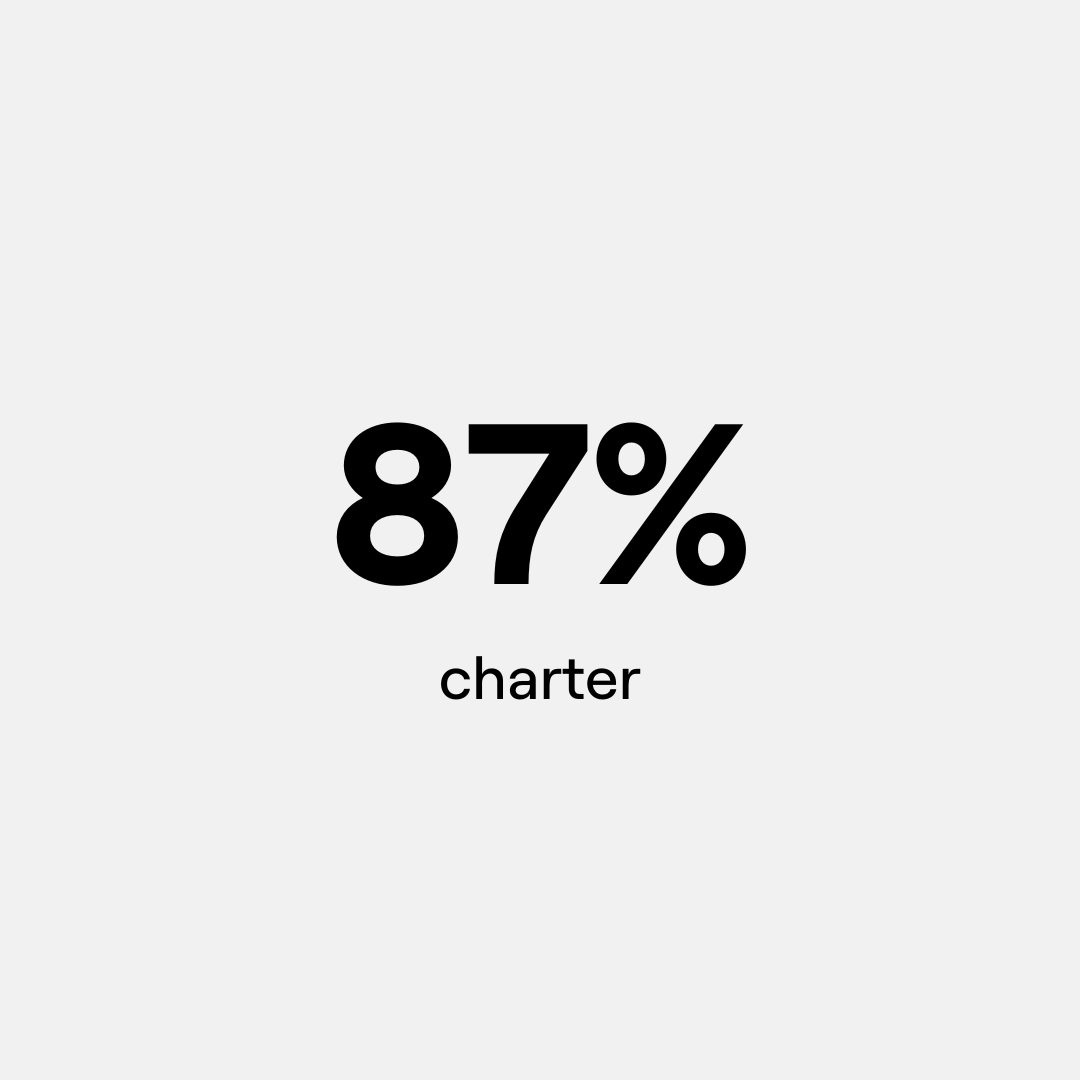
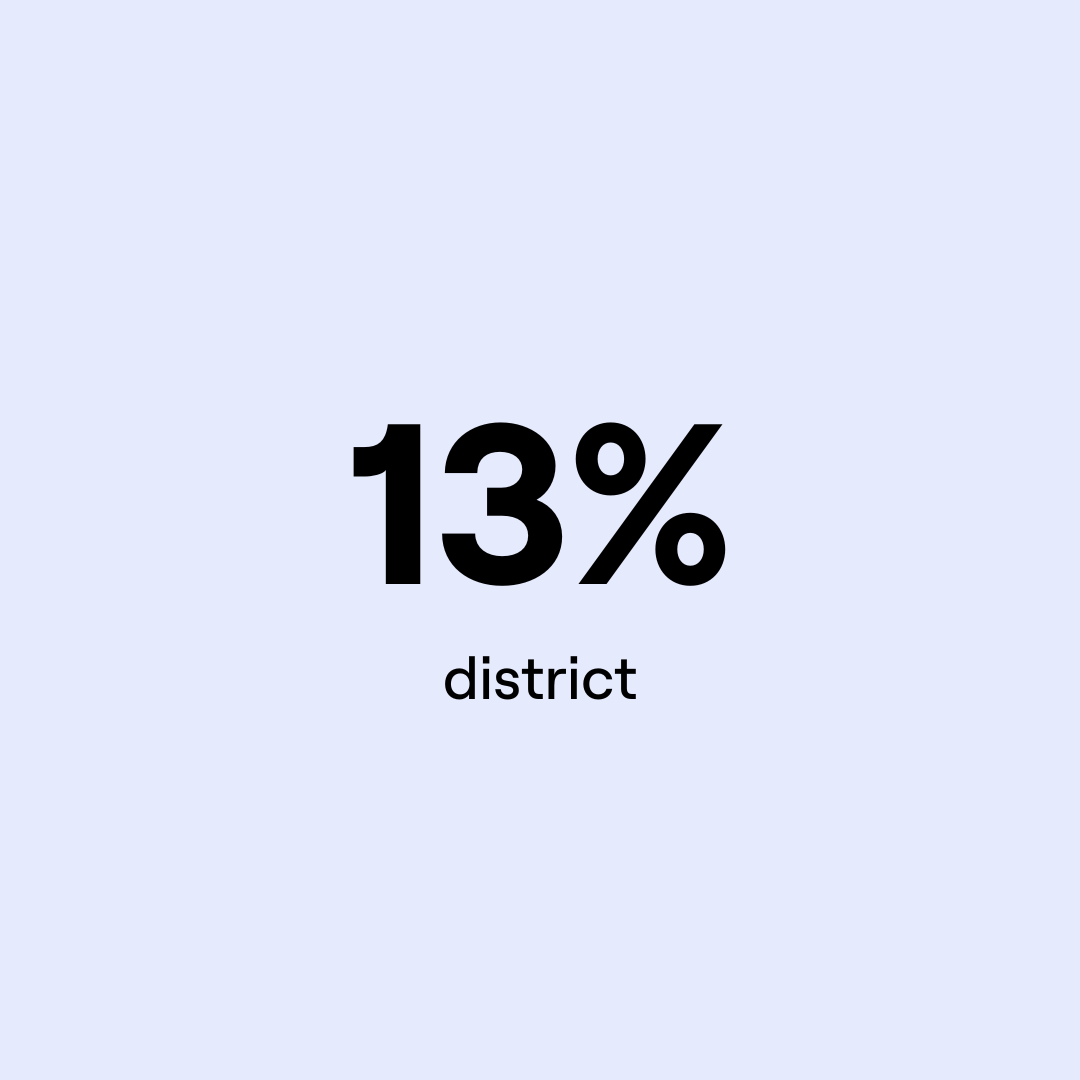
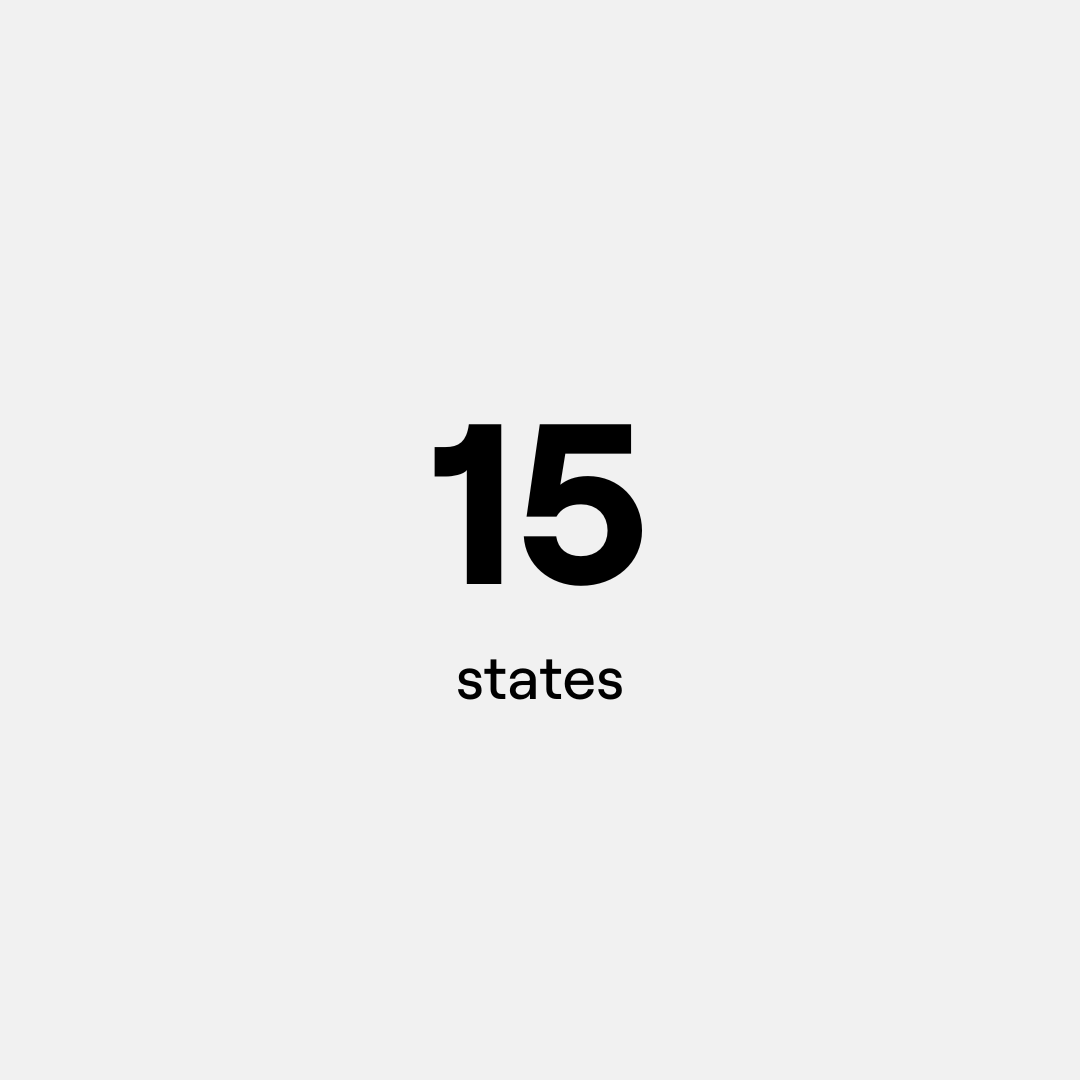
Impact Highlights
In the 2023-24 school year, 80% of our portfolio schools matched or outperformed comparable traditional public schools in reading; 75% did so in math.
In the 2024-25 school year, 50% of students in early-stage schools met academic growth goals in math and reading, an increase of three percentage points from the previous school year.
Portfolio Reach & Impact
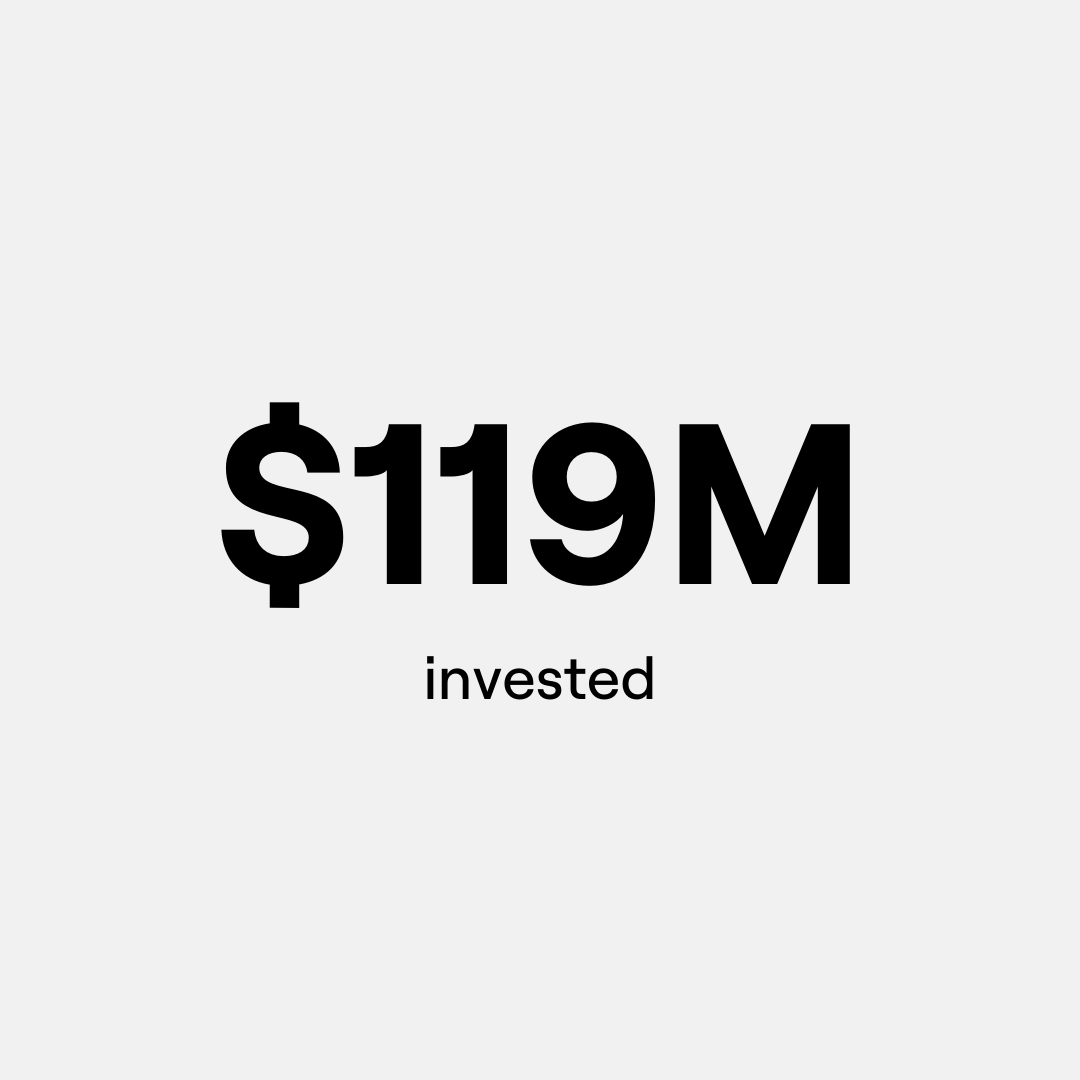
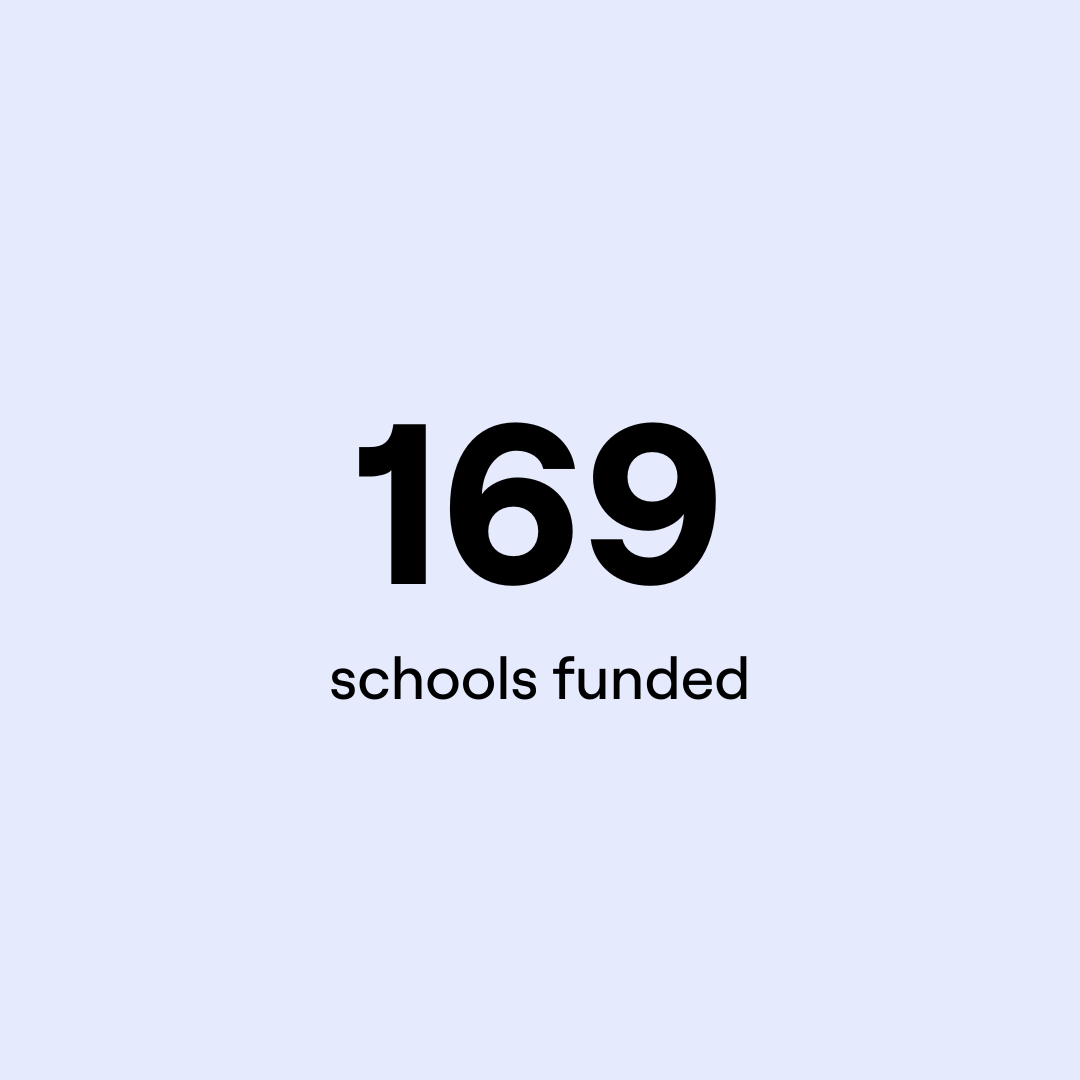
Since 2015, NewSchools has invested in the creation of 169 new public schools. Many of those schools have gone on to expand their impact by growing their networks, codifying their models, and sharing best practices with other systems and educators.
Portfolio Reach & Impact
161,000
students served annually
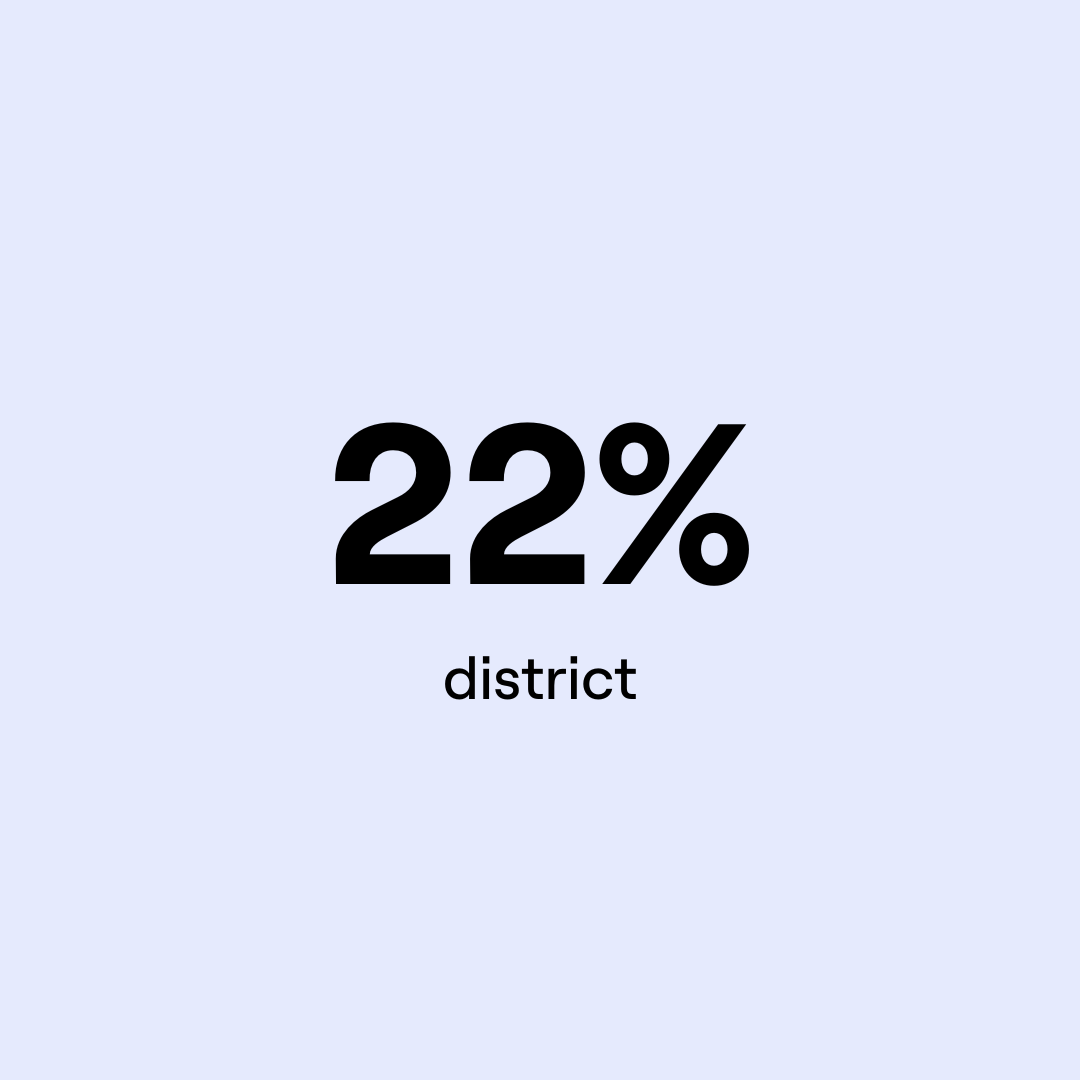
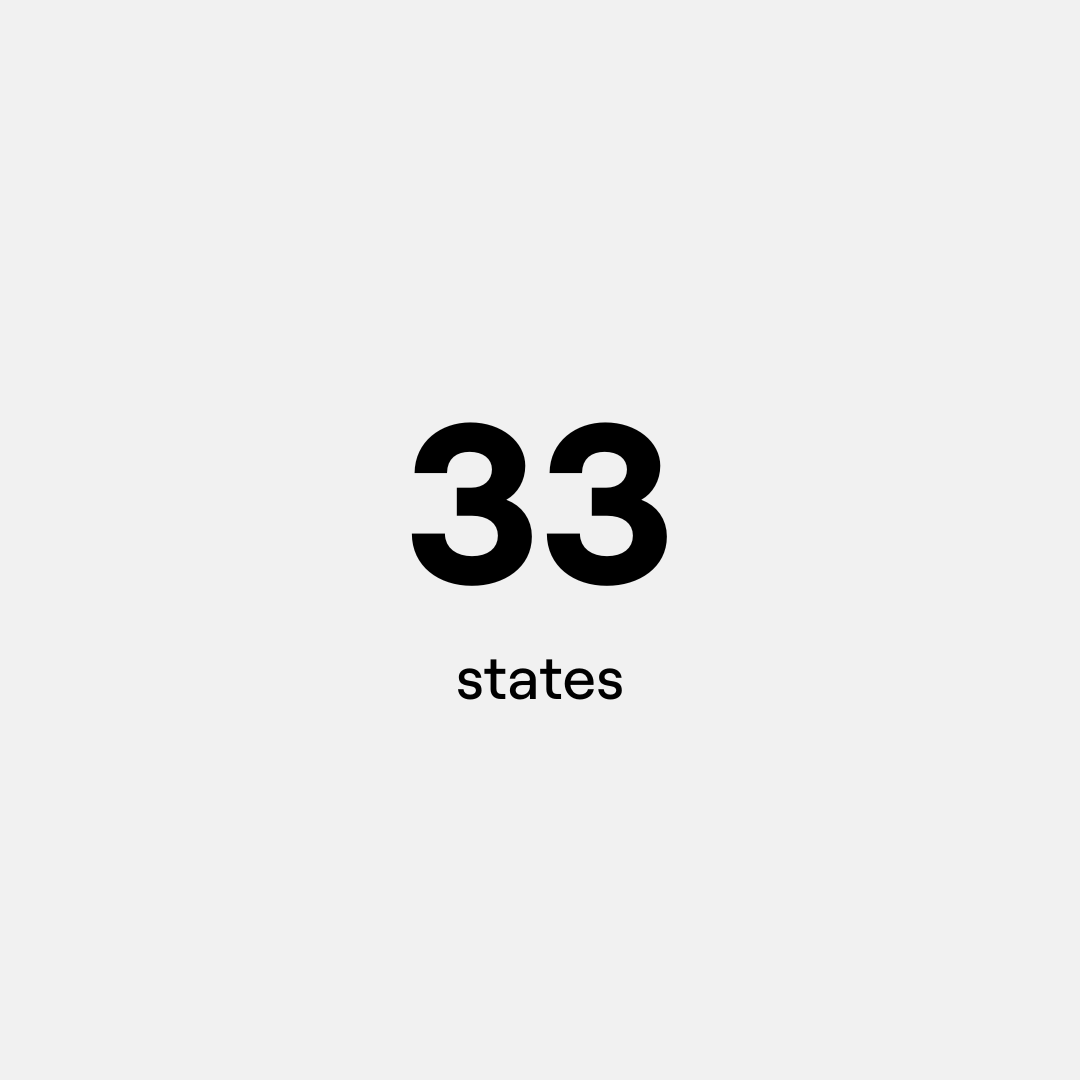
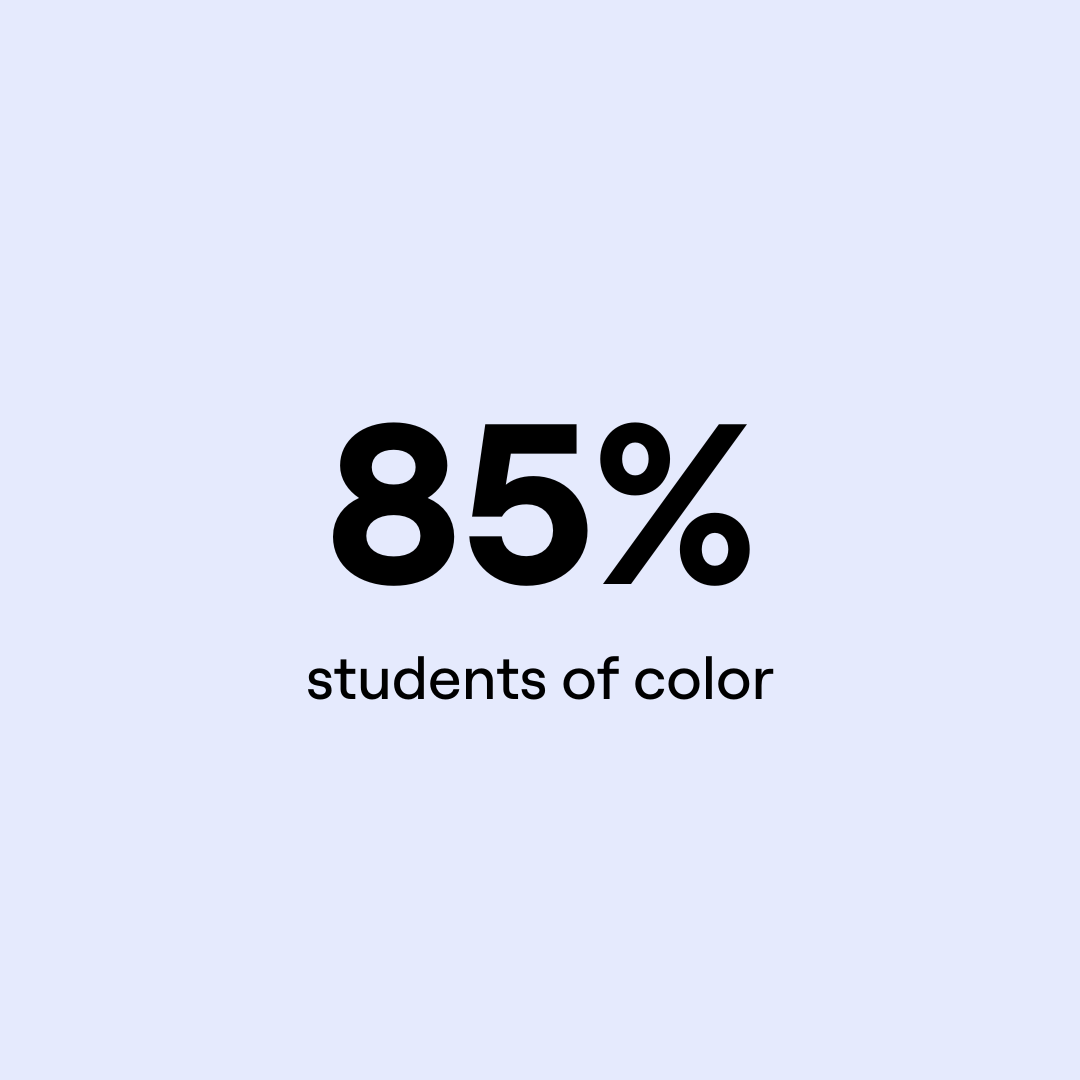
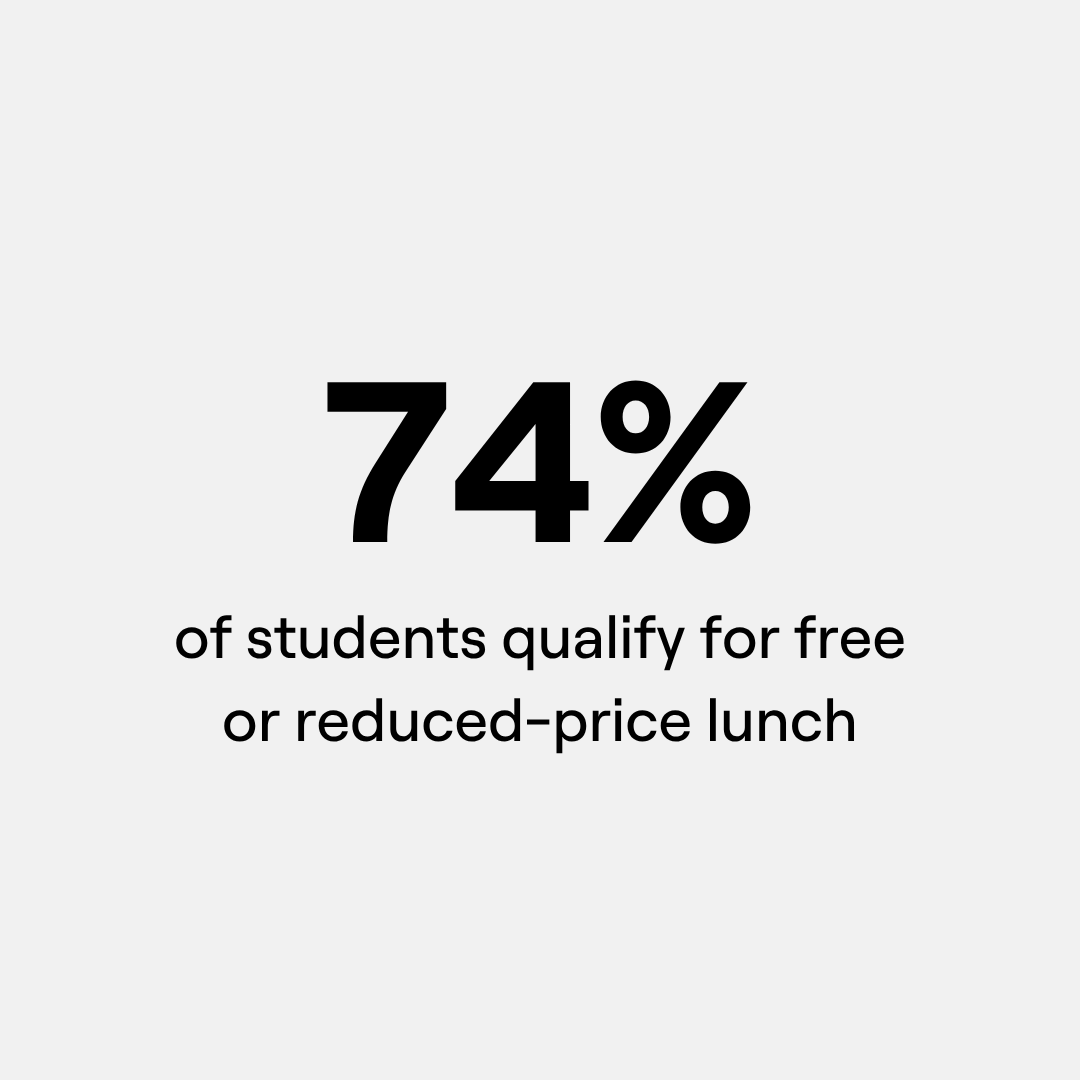
Experienced school leaders are bringing innovative approaches to communities across the country. Click on the state for a closer look at local schools.
What We’re Learning
Venture Spotlights
Creating a K-12 Pathway to College, Careers, and Choice
In Darlington County, South Carolina, history still shapes opportunity. Long after desegregation, many students, particularly Black students, have had limited access to advanced coursework and postsecondary pathways. Butler Academy exists to expand those opportunities by redesigning how students are supported and challenged in school.
When Dr. Jerome Reyes opened Butler Academy in 2020, he set out to create a school where academic rigor and student well-being go hand in hand. The results showed quickly. Students in Butler Academy’s elementary and middle grades began outperforming district averages, and families wanted their children to continue at the school.
Butler Academy has completed the next phase of its vision by opening a high school, creating a full K-12 pathway for students. The high school offers competency-based learning alongside real-world experiences, including dual enrollment, technical certifications, and partnerships with local employers and colleges. Students can earn college credit, explore career options, and graduate with a clearer sense of where they’re headed and how to get there.
Butler Academy’s steady growth reflects a long-term commitment to educating the whole child, building opportunity early, and sustaining it through graduation and beyond.
Rethinking School for Students with Dyslexia
For many students who struggle to read, school becomes a daily reminder of what isn’t working. For students with dyslexia or language-based learning disabilities, reading often remains slow and difficult despite effort. Over time, this can cause them to fall behind and often begin to believe school simply isn’t for them. Literacy Academy Collective (LAC) was created to change that experience.
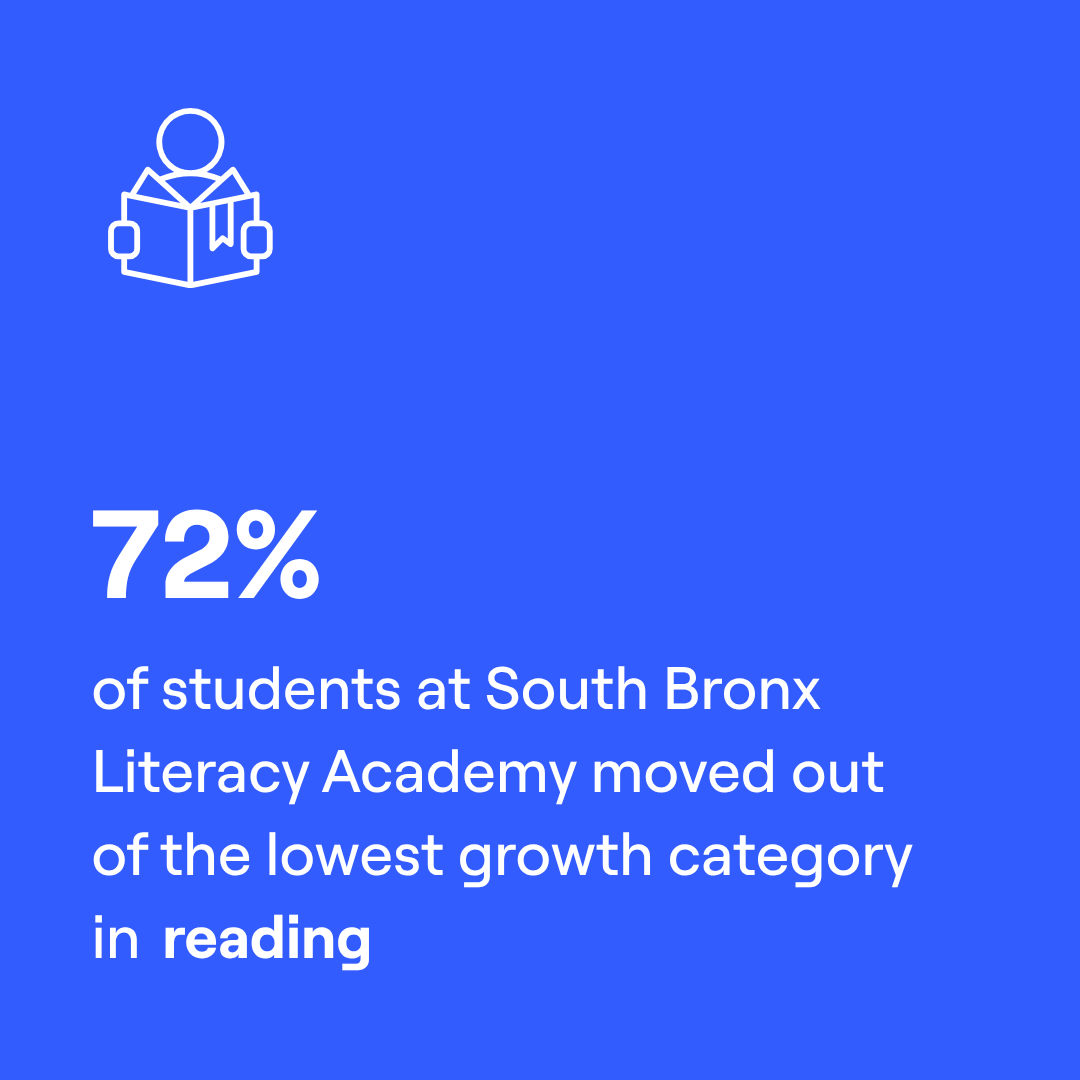
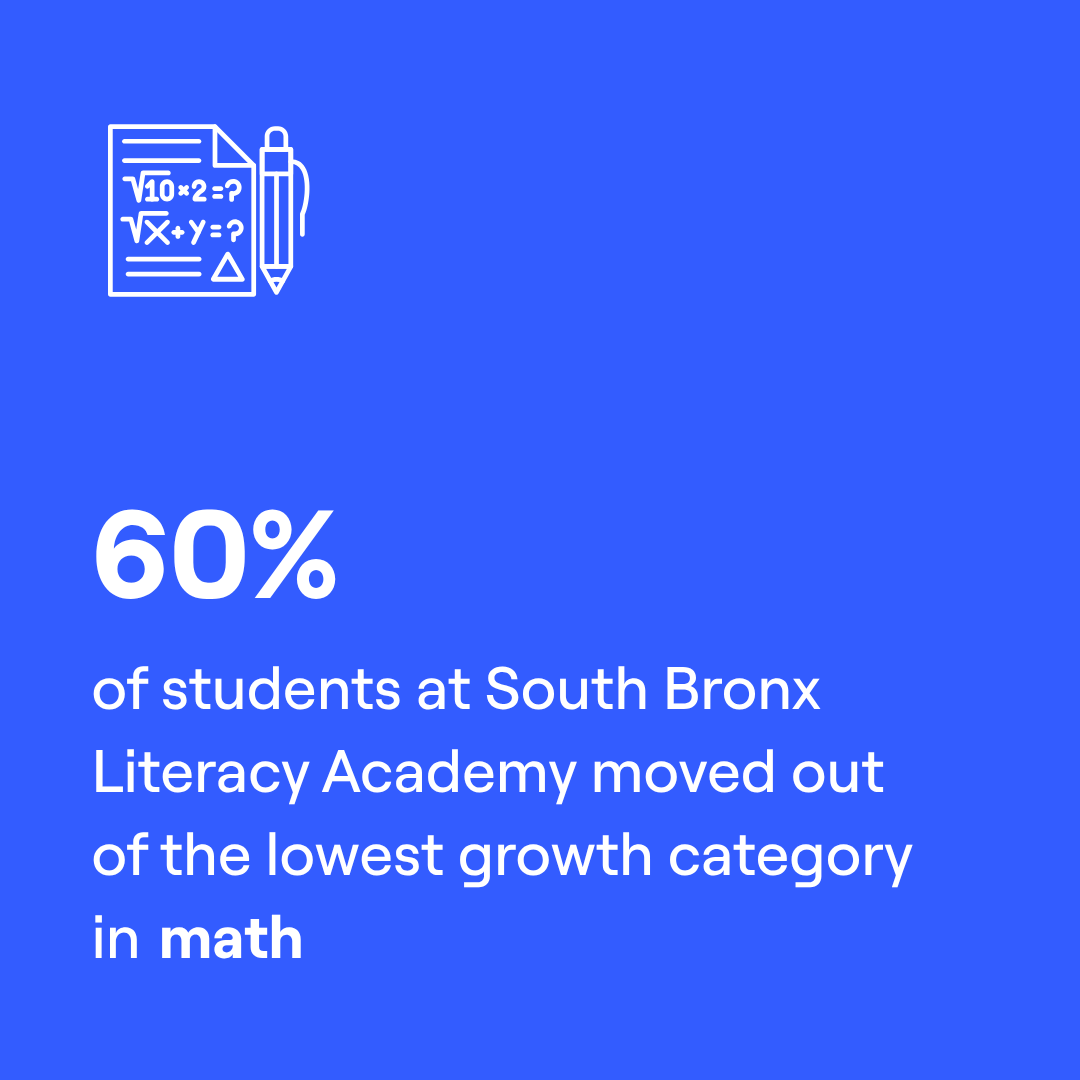
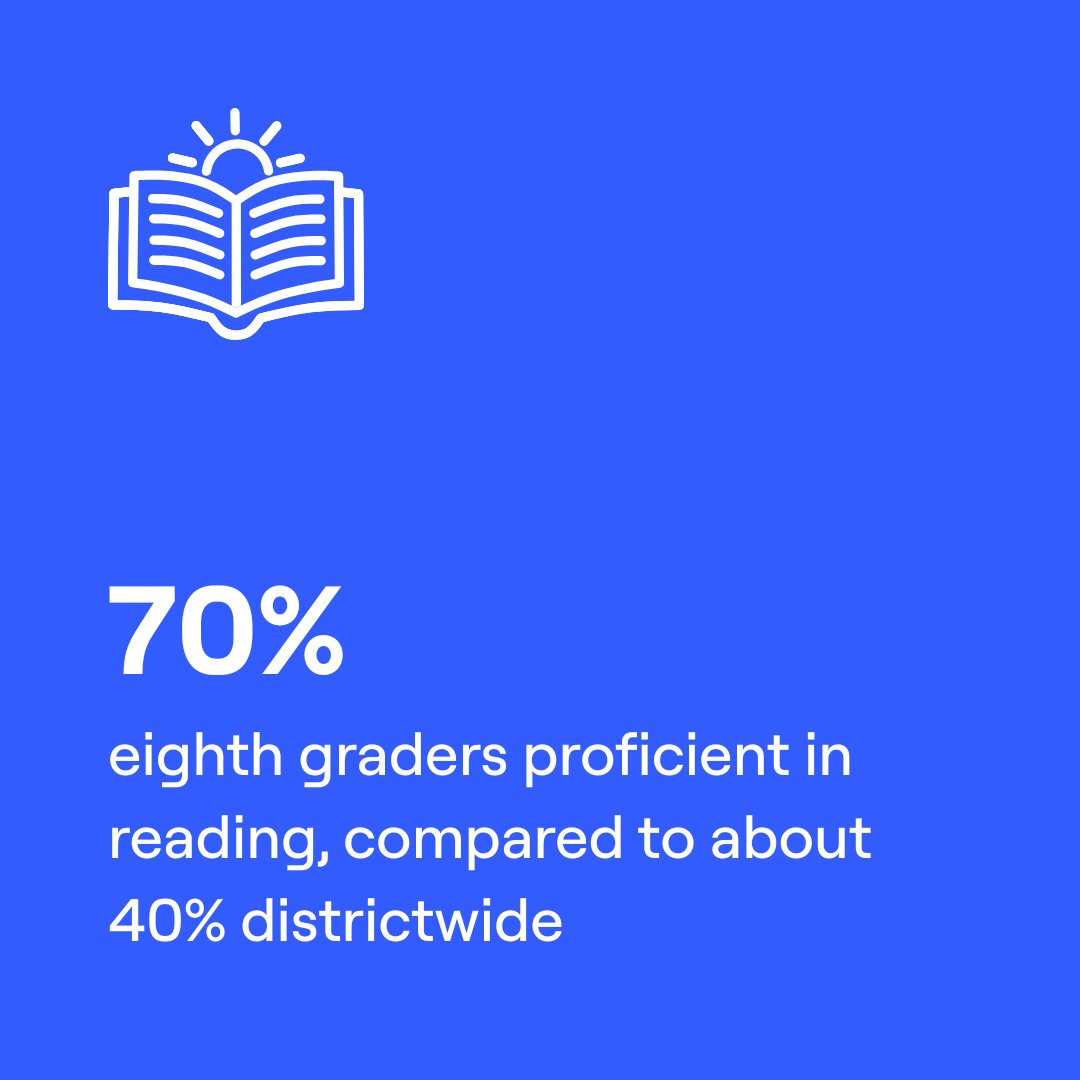
Founded by Ilia Edwards, Emily Hellstrom, Naomi Pena, and Ruth Genn — mothers of children with dyslexia — LAC is built on the belief that students learn best in schools designed around how they actually learn. That belief led to the launch of the South Bronx Literacy Academy in 2023, a district school grounded in structured, evidence-based literacy across subjects. In its first year, students with dyslexia and language-based learning differences made strong gains in reading and math.
Building on that success, LAC opened Central Brooklyn Literacy Academy this past fall, serving elementary students who need intensive literacy support. Led by principal Jason Borges, who struggled with reading as a child, the school delivers instruction within the classroom rather than through pullouts, with small-group learning, co-teaching, and integrated speech and language supports built into the day.
By treating literacy as foundational rather than remedial, LAC helps students build the skills and confidence needed for long-term success and is now working to expand this model through a small network of schools across New York City.